Unlimited Life Cofounders: Dave Asprey and Tim Cook—Which One?
Short answer: neither Dave Asprey nor Tim Cook is known as a cofounder of an organization called “Unlimited Life.” The wording appears to combine separate names and ideas. Dave Asprey is an entrepreneur associated with biohacking and the Bulletproof brand. Tim Cook is Apple’s CEO, not one of Apple’s cofounders. If you meant a specific company, book, or program called Unlimited Life, its exact name would help identify its founders.
That distinction matters for anyone comparing founder stories. Asprey and Cook represent different kinds of leadership: dalai lama foreword one built a portfolio around personal performance and consumer wellness; the other leads a large public technology company that he did not found. Neither is a straightforward match for the “Unlimited Life cofounders” label.
There is another likely point of confusion: the Kielburger brothers and their organization. Marc Kielburger was a co-founder of Free The Children, which later became associated with the WE name, including WE Charity and the youth-focused WE Day events. That is a separate founder story, and it should not be merged with Asprey’s or Cook’s.
Who founded what?
Person or name What can be stated accurately What not to assume Dave Asprey An entrepreneur known for the Bulletproof brand and popularizing biohacking in consumer wellness. That he co-founded an organization called Unlimited Life. Tim Cook Apple’s CEO, a role he assumed in 2011. That he co-founded Apple. Apple was founded by Steve Jobs, Steve Wozniak, and Ronald Wayne. Marc Kielburger A co-founder of Free The Children with his brother Craig Kielburger. That the Kielburgers, Asprey, or Cook are connected as cofounders of one organization.Dave Asprey: a career built around biohacking
A useful Dave Asprey bio should separate his entrepreneurial identity from the larger claims made in the biohacking market. Asprey is associated with Bulletproof, a brand that brought products, media, and lifestyle advice together around the idea of optimizing health and performance. His public profile has also included books, speaking, and podcasting.
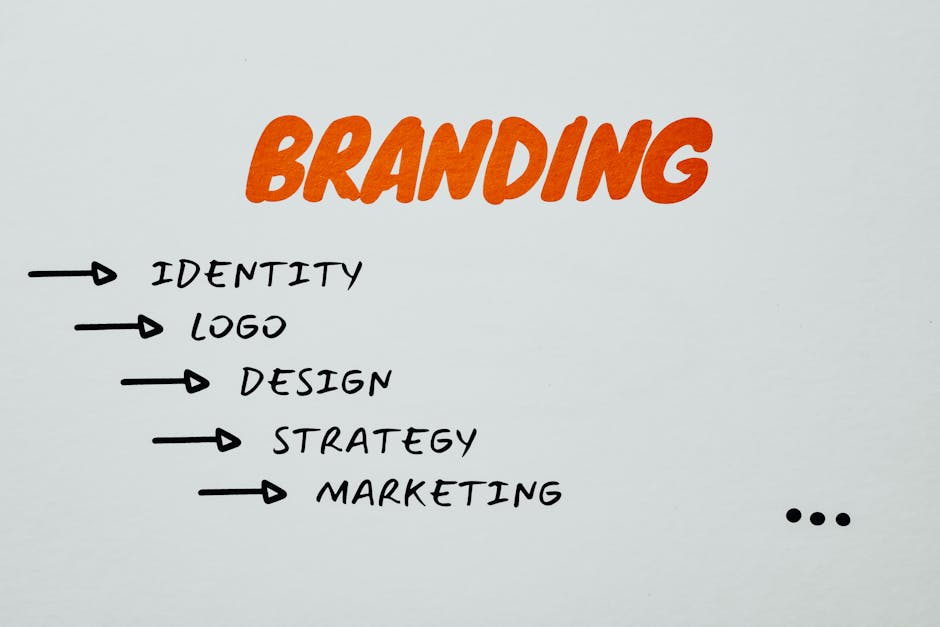
That is a portfolio-style career. Rather than tying his public identity to one product or one organization, Asprey has worked across several formats and offerings. This can create more ways to reach an audience, but it also puts a founder’s credibility under steady examination. Wellness claims need evidence, clear sourcing, and careful limits. A product, a personal anecdote, and a clinical finding are not interchangeable forms of proof.

For a founder in this space, reinvention is not just a matter of launching something new. It also means explaining what has changed: which ideas remain central, which claims have stronger support, and where the evidence is uncertain. That kind of clarity is particularly important when an audience has encountered bold promises or conflicting coverage.
Portfolio strategy versus a single-organization identity
A portfolio strategy can spread a founder’s work across products, media, events, and partnerships. It offers flexibility: if one channel loses relevance, others may continue to serve the audience. But the approach can also blur accountability. When a founder’s name appears on many ventures, people may reasonably ask who owns each decision, who checks claims, and who is responsible when an initiative falls short.
A single-organization identity has a different trade-off. The leader and the organization are easier to associate with a defined mission, but a crisis involving that organization can affect the leader’s entire public reputation. Neither model is automatically better. The essential question is whether the structure makes responsibility and results visible.
Tim Cook: a leader, not an Apple cofounder
Searches for “dr Tim Cook” can create confusion. Tim Cook is best known as Apple’s CEO; he is not generally identified as “Dr. Tim Cook” in the context of Apple leadership. He has received honorary degrees, but those honors do not make him an Apple cofounder or necessarily indicate an earned doctorate. When a source uses the title “Dr.,” check which Tim Cook it means and what credential supports the title.
Cook joined Apple in 1998 and became CEO in 2011. He succeeded Steve Jobs, one of the company’s cofounders. That makes Cook’s career an example of executive leadership and organizational stewardship, not a founder story in the usual sense. His challenge has been to lead a company with a strong founder legacy while making decisions under his own leadership.
This distinction is useful when discussing career arcs. A founder creates or helps create an organization; a successor inherits leadership of an existing one. Both roles can involve reinvention, but they carry different obligations. A founder may be able to change the organization’s identity from the ground up. A successor must work within its history, culture, and public expectations.
Marc Kielburger and the WE story
Marc Kielburger belongs to a different chapter of the comparison. He and his brother Craig co-founded Free The Children in 1995. The organization’s work later developed under the WE name, which included WE Charity and WE Day, a large youth-oriented event series. Those names refer to parts of the organization’s history and activities; they are not evidence of a connection to Dave Asprey or Tim Cook.
The WE story also shows why purpose-driven organizations need more than an inspiring mission. Public scrutiny of WE Charity and its relationships with governments and public figures raised questions about governance, transparency, and accountability. When scrutiny reaches a nonprofit or social enterprise, leaders need to address specific questions with records and clear explanations—not rely on the appeal of the cause alone.
This is not the same kind of scrutiny faced by a wellness entrepreneur whose claims may be challenged on scientific grounds, or by a technology CEO whose decisions are examined by investors, customers, and regulators. The contexts differ. But each case points to the same communications principle: say what is known, distinguish it from what is disputed, and show who is responsible for the next step.
Founder reinvention after public scrutiny
Reinvention can be productive when it reflects real changes in leadership, governance, products, or practice. It becomes less convincing when a new name or project appears without answering the questions that damaged trust in the first place. Audiences notice the difference between a new chapter and a rebrand that leaves the underlying issue untouched.
For founders and executives navigating scrutiny, a credible response usually includes:
- A clear account of the issue: Identify the decision, claim, or relationship being questioned.
- Evidence and attribution: Link statements to records, independent findings, or named sources where possible.
- Visible accountability: Explain who made the decision and who has authority to change the process.
- Specific corrective action: Describe what changed, when it changed, and how the change will be checked.
- Measured language: Avoid presenting intentions, anecdotes, or future plans as proof of impact.
That approach helps a leader move from reaction to a documented new chapter. It does not guarantee that critics will agree or that trust will return quickly. It does give stakeholders something concrete to evaluate.
Purpose-driven strategy needs impact measurement
Purpose can help an organization set priorities, attract supporters, and make trade-offs. But a mission statement is not an impact report. Organizations need to identify what they intend to change, how they will measure progress, and what evidence would show that their work contributed to the result.
For a nonprofit, that might mean distinguishing activities—such as hosting an event or delivering a program—from outcomes, such as changes in access, participation, or long-term well-being. For a wellness business, it might mean separating customer satisfaction from evidence that a product produces a specific health outcome. For a technology company, it could mean tracking product performance, privacy practices, or other defined commitments.
A practical measurement plan should name:
- The intended outcome: What change is the organization trying to make?
- The baseline: What was happening before the program, product, or policy?
- The indicator: What observable measure will show progress?
- The time frame: When will the organization report results?
- The limitations: What can the evidence establish, and what remains uncertain?
When leaders report results with those limits intact, they may sound less triumphant—but more credible. That matters especially after public scrutiny, when people are likely to examine both the numbers and the way leaders describe them.
Build a career story in chapters, not labels
“Founder,” “CEO,” and “changemaker” can be useful shorthand, but they do not explain how a person’s work has evolved. A chapter-based career narrative gives readers a more accurate view: what the person built, what role they held, what changed, and what they learned from the transition.
For example, a bio of Asprey can describe his move from technology entrepreneurship into consumer wellness and media, while treating health claims with appropriate care. A profile of Cook should identify him as Apple’s CEO and explain how he led a company founded by others. A profile of Marc Kielburger can trace the path from Free The Children to the WE-branded initiatives, while addressing public scrutiny with precise, sourced language.
This structure also helps organizations decide how to communicate across channels. A media plan might use iHeart radio syndication to extend an audio program’s reach and YouTube distribution to host video interviews, explainers, or full episodes. Those are distribution choices, not proof of impact. Teams should track what each channel is meant to do—reach, engagement, education, or conversion—and report the relevant measures rather than treating audience size as a measure of trust.
So, which one?
If the question is “Which one is an Unlimited Life cofounder—Dave Asprey or Tim Cook?” the most accurate answer is: neither, based on the information available from their well-known public biographies. Asprey is associated with biohacking and the Bulletproof business; Cook is Apple’s CEO, not a cofounder. Marc Kielburger is the relevant co-founder if the intended reference is Free The Children and the later WE organization.
Those distinctions make the comparison more useful, not less. Asprey illustrates a portfolio strategy shaped by entrepreneurship and personal-performance branding. Cook illustrates succession and leadership inside a major company. Kielburger’s story illustrates purpose-driven organizational work—and why mission, governance, and measured impact must be discussed together.
Before publishing or relying on a “cofounder” claim, verify the organization’s exact name and consult a reliable source. If “Unlimited Life” refers to a particular company, program, or publication, confirm its legal or official name first. Accurate identification is the first step toward a credible founder story.